

The Pre-PMF Reset: Why Startups Fail When They Try to “Buy” Maturity
PMF Isn’t a Product Problem. It’s an Organisational Maturity Problem.

Some startups panic because customers never show up. This company had the opposite issue.
The Illusion of Early Traction
Big enterprises were knocking and the inbound made the team feel like they had momentum. Early demand has a way of flattering you. It feels like progress long before the organisation has earned the ability to understand what progress actually looks like.
When I stepped in, deals were happening but the company had no idea whether it was creating any real value. There were logos on the board, sure, but no learning. No feedback loops. No understanding of outcomes. The team was working hard but flying blind.

When Structure Outruns Insight
The strongest signal sat inside the sales organisation. From the outside it looked mature. A clear Organisational structure. A Head of Sales. Layers of roles. Everything that suggests order.
But maturity in form is not maturity in insight. The team was running a scale motion during a discovery stage and nobody was close enough to customers to see how fragile the value story really was.
Every function held a different picture of who the customer was. That is when tension starts. Sales blaming product. Product blaming engineering. Engineering pointing at process. These are not functional conflicts. They are symptoms of an operating system that has not been built.
The Moment Reality Showed Itself
The real moment of clarity arrived in a strategy session. The pipeline looked healthy. Yet when we asked what value customers expected, the answers drifted into confident energy instead of evidence. Not malicious. Just vague. The organisation had never built the muscle to turn inputs into learning.
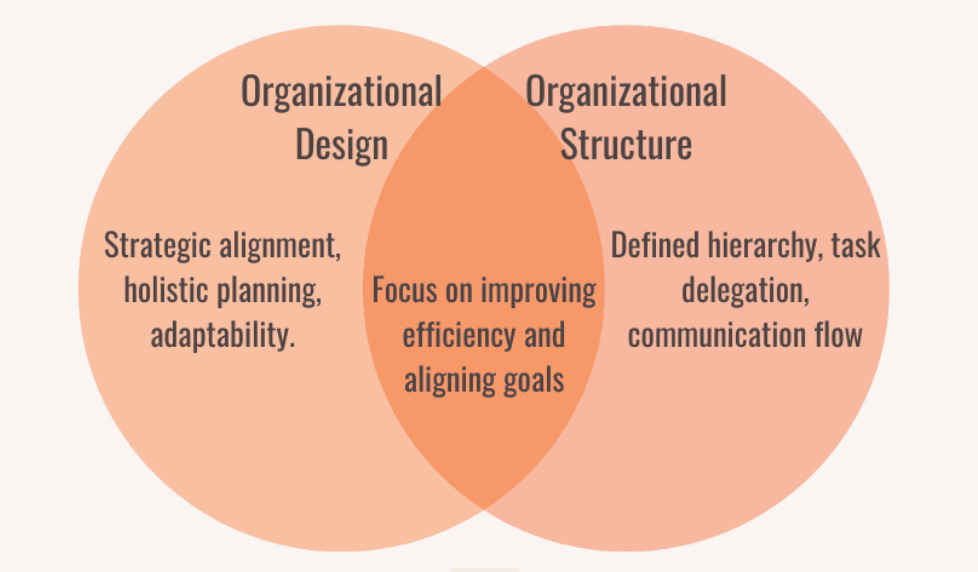
This is where organisational design becomes the real lever.
Not structure. Not headcount.
Design.
You Cannot Delegate Understanding
So we hit reset. Back to founder led sales.
Not because the sales team failed. They were good people doing their best. The truth was simpler. The company had not earned the right to outsource learning. Founders needed to hear the friction directly. No filters. No layers. No softened signals.
You can delegate tasks.
You cannot delegate the early signals that shape your operating system.
Rebuilding the Operating System
Once we made that move, everything else became obvious.
We rebuilt the organisation around tight learning loops, clear accountability and fast feedback.
Roles were rewritten. Engineering stopped working from imagined roadmaps and started working from customer outcomes.
Leaders made the decisions they had been avoiding.
Accountability returned.
Culture shifted to focused execution.
Founders were back in the conversations that matter.
Product and engineering were finally solving the same problems.
The senior team shared one version of reality instead of five.
Employees who had been operating in fog could finally see the path.
PMF Is a People Story
This is the part most people miss. Product Market Fit is always a people story.
Products do not find fit. Organisations earn it.
This company had demand all along. What it lacked was the operating system to understand that demand. Once we rebuilt it, everything else finally had a place to land.
If you want PMF, stop trying to look mature and start building the organisation that can handle the truth your customers are giving you.
About
I’m Federica De Cillis, a leadership and organisational architect and founder of Arc Studio.
My work focuses on how decisions inside companies — about structure, incentives, control, and leadership — compound over time into outcomes.
I write Margin Call for founders, operators, and investors who are curious about how companies actually work beneath the surface: how optionality is created or lost, how judgment is tested under uncertainty, and why smart teams often end up where they do.